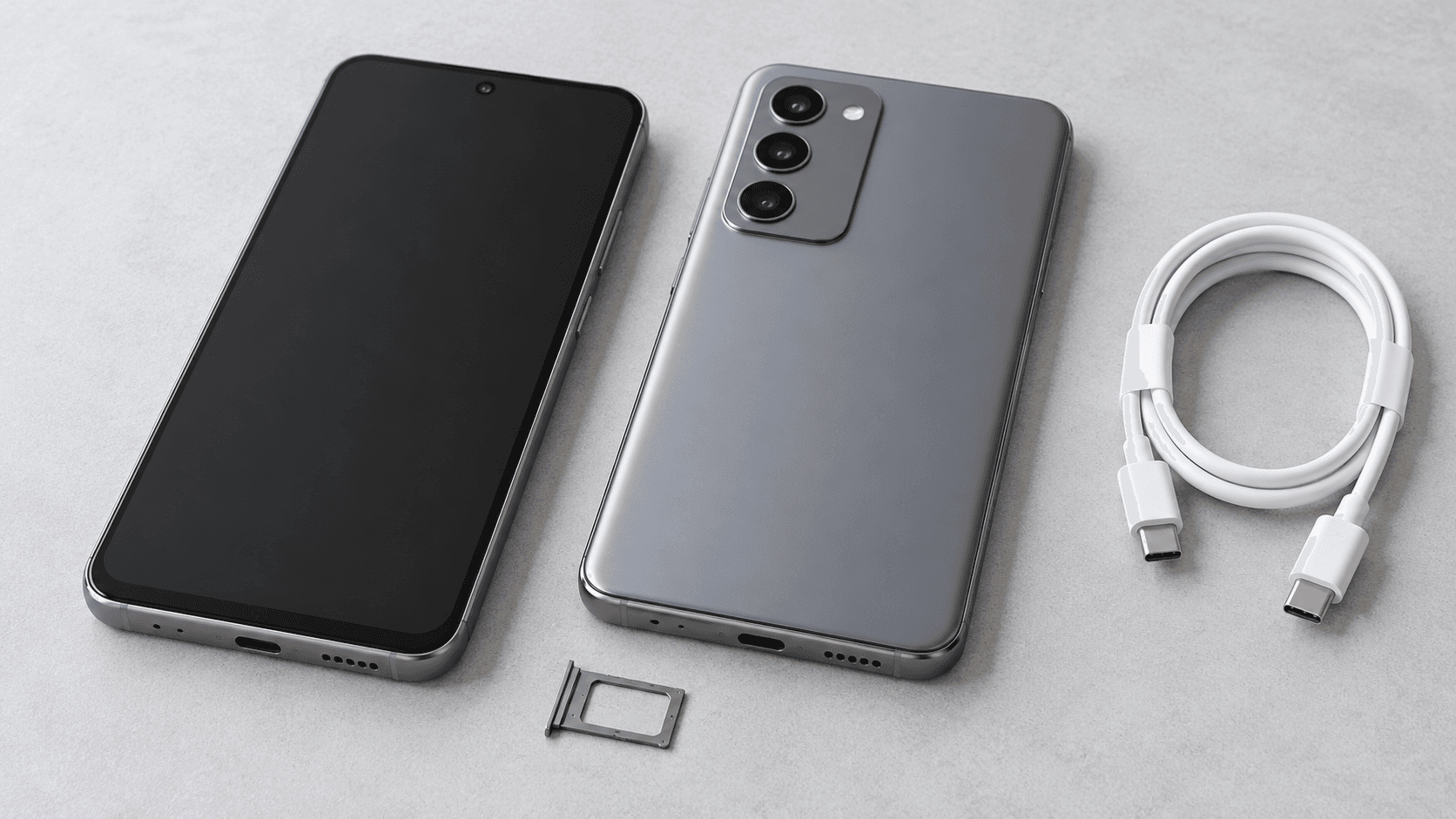
Classify the phone, not the brand
For the described new, complete smartphone, HS 8517.13 is the classification starting point. A mobile operating system and smartphone functionality matter; 5G capability alone does not establish the subheading. A cellular router, feature phone, replacement board or separately imported battery needs its own analysis. GRI 1 and 6 guide the heading and subheading assessment.
The Vietnamese eight-digit code is not a US entry code. Confirm the current US statistical suffix, tariff text and notes in the USITC HTS before instructing the broker. This revision does not certify a ten-digit US code or a current duty rate: the live tariff row remains to be captured.
FCC authorization is a separate import gate
47 CFR 2.1204(a)(1) and (b) require an applicable import condition and supporting evidence. For ordinary commercial inventory, check a valid FCC equipment authorization, including whether it has been limited, against the exact hardware model and FCC ID. CE, a Vietnamese conformity document or an authorization for another regional variant is not a substitute.
The rule contains testing, exhibition and other exceptions, but their conditions do not authorize unrestricted retail sales. The consignee must document the condition relied on. A supplier's statement that the phone works on US networks is not the same as regulatory authorization.
Origin determines the tariff review
Do not promise a zero landed-tax result from a base tariff label. Establish manufacturing origin, customs value, entry date and transport mode; then check applicable Chapter 99 provisions, additional country measures and entry fees. Shipment from a third country is not itself proof of a new origin.
Keep the commercial invoice, manufacturing evidence and broker calculation together. Where a trade remedy may apply, investigate its legal scope instead of deciding from the six-digit code alone. No model, origin or current supplemental-tariff determination has been supplied for this shipment.
Purchase-order controls
Before paying for stock, require the exact model and regional hardware code, FCC ID and grant scope, cellular bands, Wi-Fi/Bluetooth configuration, battery and charger specifications, label artwork and manufacturer details. Match these against the inventory delivered, not merely the marketing name.
Keep customs release, lawful marketing and carrier compatibility as separate decisions. If the supplier changes the radio board or firmware variant, reopen the authorization review. This is a commercial-import framework, not an approval of a particular Xiaomi product. Use the US HS lookup with the complete technical description.