Quick answer
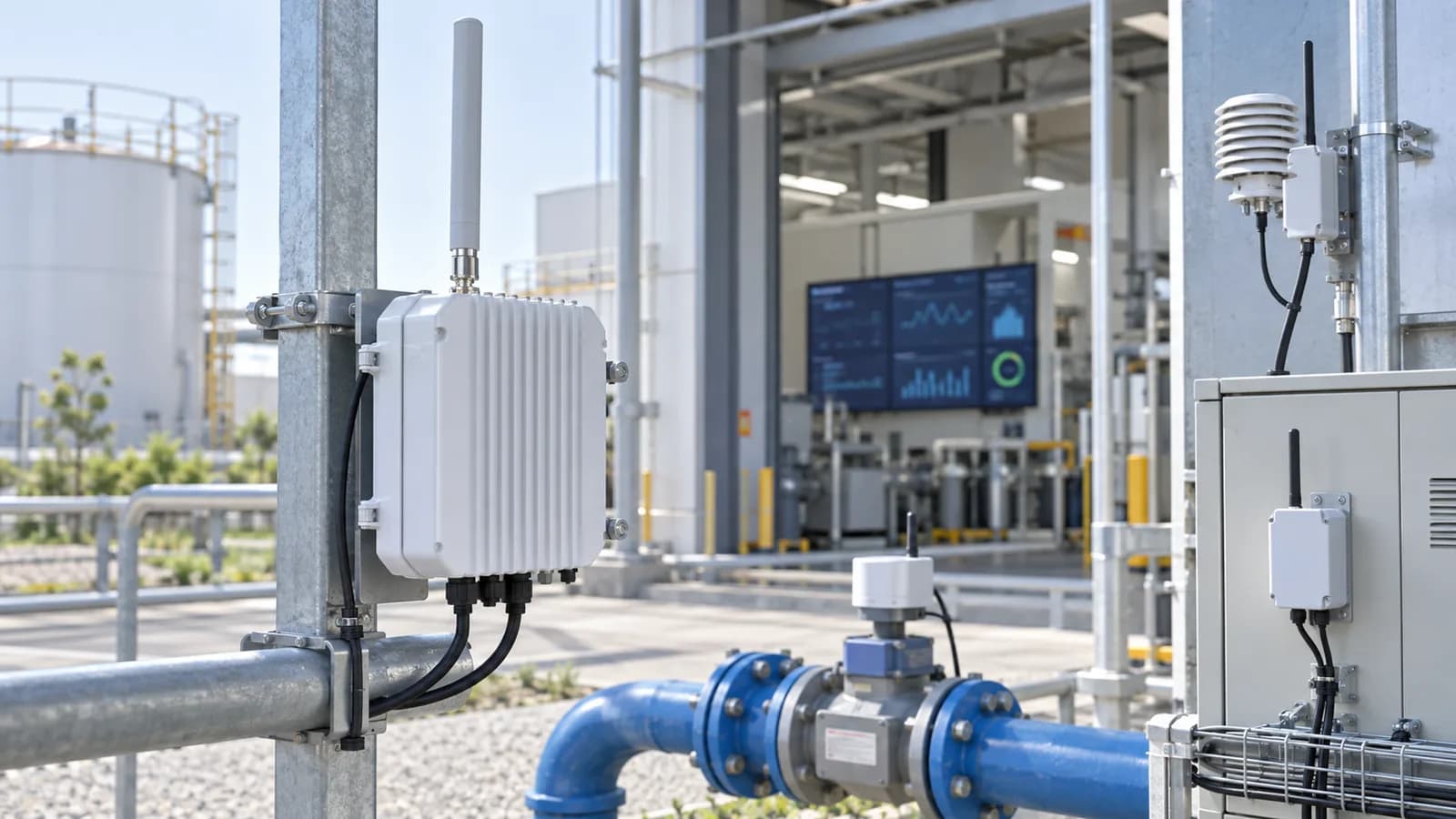
Classify LPWAN gateways, base stations and sensor endpoints, then address duty, FCC authorization, spectrum rules, origin and entry evidence.
Classification and duty conclusion
A complete LPWAN base station is examined in HTSUS 8517.61.0000; a gateway that receives, converts and transmits data is ordinarily examined in 8517.62, often the residual ten-digit provision 8517.62.0090. A simple radio endpoint or other transmission apparatus may fall elsewhere in heading 8517. The 2026 Column 1 General rate for these principal provisions is ordinarily Free, but the ten-digit number must be confirmed from the imported architecture. Vietnamese eight-digit codes have no legal effect in a U.S. entry.
Architecture controls the ten-digit number
Identify the RF technology, host processor, routing or protocol-conversion function, wired/cellular backhaul, sensor function, antennas and whether components arrive as one functional unit. GRI 1 and 6 apply to the objective condition at entry. A water, temperature or smoke sensor with LPWAN connectivity may be classified by its measuring or signaling function rather than as communications apparatus. NB-IoT/LTE-M equipment using a carrier network is not interchangeable with an unlicensed-band LoRaWAN or Sigfox gateway.
FCC authorization before import
An LPWAN transmitter is an intentional radiator. Before importation or marketing it generally needs an FCC equipment authorization covering the exact model under 47 CFR Part 2, unless a specific exemption applies. Equipment operating under Part 15 must meet the relevant technical rule, RF exposure, labeling and user-information requirements. Modular approval does not automatically cover every host, antenna, enclosure or power configuration; production units must remain within the FCC grant and tested parameters.
Frequency and operating conditions
LoRaWAN-type devices in the 902–928 MHz band are commonly evaluated under 47 CFR §15.247 or another applicable Part 15 rule depending on modulation, bandwidth, hopping and power. Part 15 operation is unlicensed but has no interference-protection right and must cease harmful interference. A cellular NB-IoT/LTE-M unit follows the licensed service rules and carrier acceptance. Frequency plans built for Europe, Vietnam, Japan or China must not be activated in the United States merely because the hardware can be reconfigured.
Origin and additional duties
Free base duty is not always the landed total. Mark the actual country of origin in English under 19 CFR Part 134. For China-origin goods, check the current Chapter 99 and USTR Section 301 coverage by exact HTSUS number and product exclusion on the entry date. Origin follows the applicable substantial-transformation analysis, not shipment through a third country. Export controls, sanctions and end-user screening remain separate from tariff classification.
Entry file and declaration
Keep the invoice, valuation and origin file, production flow, FCC ID and grant, test report, operational description, block diagram, frequency/power/bandwidth/duty-cycle table, antenna list, firmware controls, labels and manual. A useful description is: “LPWAN radio gateway, 902–928 MHz, protocol ..., receives/converts/transmits sensor data, backhaul ..., output ... dBm, antenna ..., model ..., FCC ID ..., new; HTSUS reference 8517.62.0090.” Seek a CBP binding ruling for a recurring high-value architecture with a genuine boundary issue.
Official U.S. sources
Sources checked September 22, 2026: USITC 2026 HTS archive; FCC equipment authorization; 47 CFR Part 2; 47 CFR 15.247; FCC Part 15 guidance; 19 CFR Part 134.
Official sources to verify
- WCO — HS Nomenclature 2022 and General Rules for Interpretation
- United States International Trade Commission — Harmonized Tariff Schedule
Editorial note
Prepared by the Global HS Code Checker Editorial Team for customs-classification, tariff and import-policy research. The correct code and applicable measures may change with the merchandise's actual characteristics, jurisdiction, entry date and supporting record. Verify the current tariff, governing measures and competent customs authority before filing an entry. A reviewer is identified only after a named expert has completed the review.